
I have now had my first experience with calling Social Security and asking questions. I dialed when the first cock crowed, and was told it would be half an hour’s wait. But! They have that modern tech that will call you back, and no, you won’t lose your place. Sometimes you are so full of fury you say NO and you STAY ON THE LINE because you have jets of compressed steam shooting from your ears and you will be damned if they have the choice of calling you back. In these situations I don’t take it out on the agent, of course; that would be wrong. I have great pity for the people who have to deal with the public, and I have made it a rule not to be, you know, the public, and all that suggests.
An exception may be made for anyone at Sun Country who wants to explain why two (2) support-center agents said yes, yes, you can get a gate pass at Logan Airport in Boston to accompany an elderly passenger who’s prone to wandering off, just show up two hours early so the paperwork can be completed. Twice they told me this. I called the second time to confirm the first hadn’t just made it up.
Of course, no, you cannot accompany an elderly person to the gate. You can accompany a small child, but not an old person. They go in the wheelchair. Right, but once they get there? The wheelchair pusher will sit with them? No, but the gate agent will keep an eye out. But I assume the other eye will be engaged in other jobs and will probably require the assistance of its mate, no? They will watch her.
As it turned out, she got on the flight okay, and her other daughter got a gate pass in Minneapolis. Still annoying. I have sent a firmly worded letter to Sun County, and expect a bedbug letter in reply.
Anyway. I got a call back from SS, and my Catch-22 was resolved. It all went contrary to everything I learned from research - i.e., asking Grok. I think Grok was correct, because its reply made sense and referenced particular websites and regulations, but the agent also knew there was a peculiarity in the way “the computer” handled certain inputs. “You’d think it would be smart about that because it’s a computer,” she said.
It’s not the computer. It’s the programmer. And it’ll probably cost $967 million to fix.
After the SS call I took the dog for a walk. It was already hot, moving up to 90. He was keen to take a restorative draught from the creek. One of the things I was told in various comment section that my somewhat sarcastic remark about living in the nice part of Minneapolis was that there was no nice part of Minneapolis.
This just isn't true.


It’s 1900.
Room on the front page for some news but also ADS
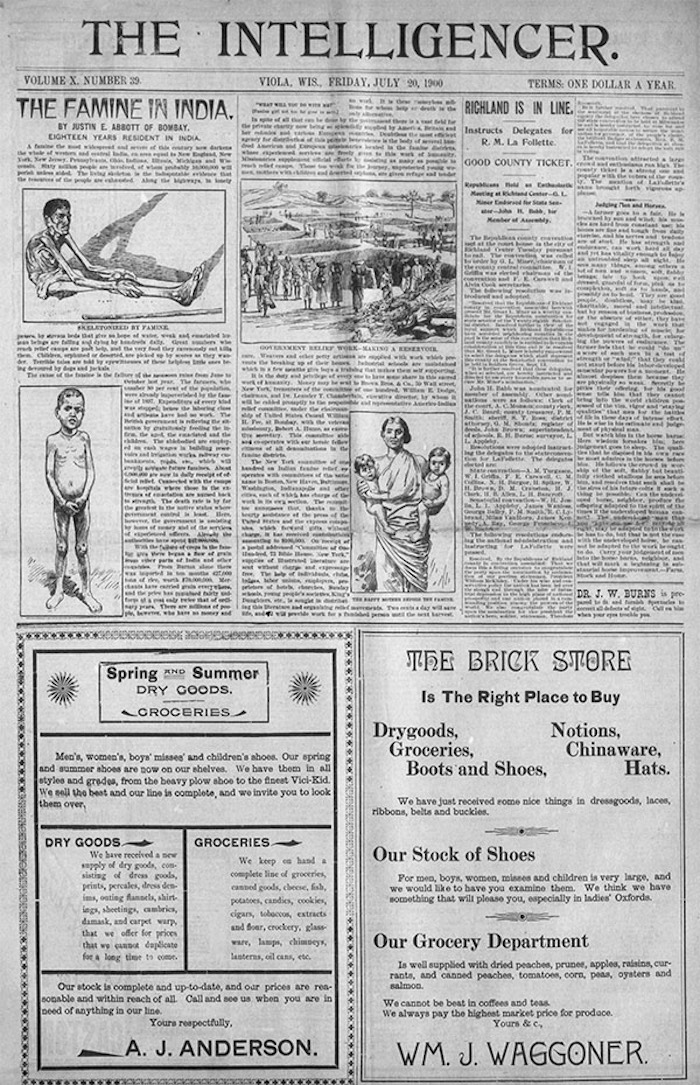
About that India story: the author wasn't just another tourist dropping in to deplore the state of things:
Justin Abbott was also a missionary. He was born in Portsmouth NH in 1853. His ancestors were nicknamed ‘Abbott’ as they were Christian missionaries for many generations and were abbots. He came in 1857 to Rahuri (Ahmednagar Dist.) and stayed there for next 30 years.
However, he did not consider learning Marathi only as a part of his work, but he studied Marathi literature in depth. He was so fascinated by that literature, that he gave importance to translating the work of Marathi saints into English and also composed his own literature in Marathi on the same subject.
He wrote 11 books about the saints, in English, for Western audiences.

Highwaymen & Posses:
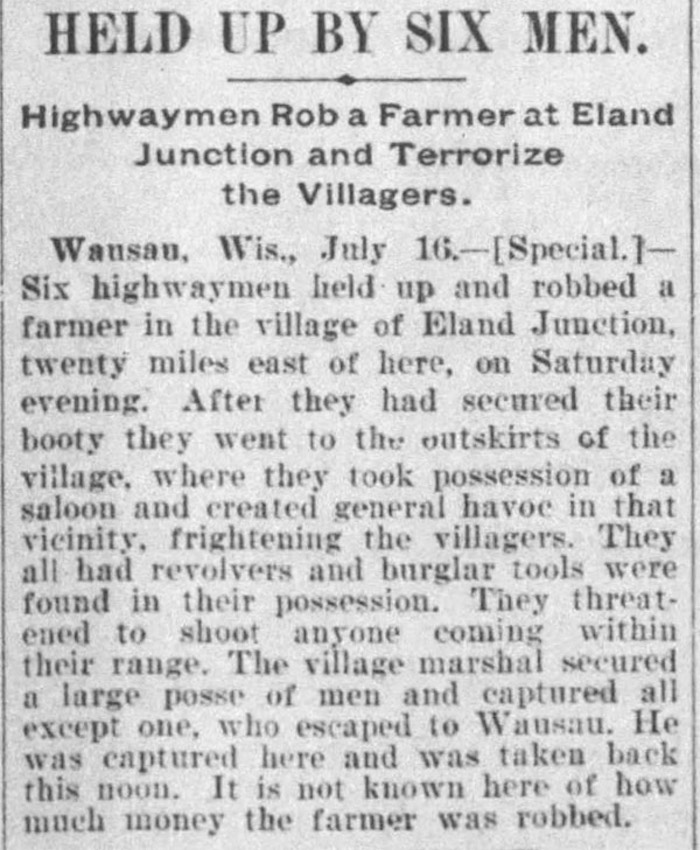
If you’re curious:
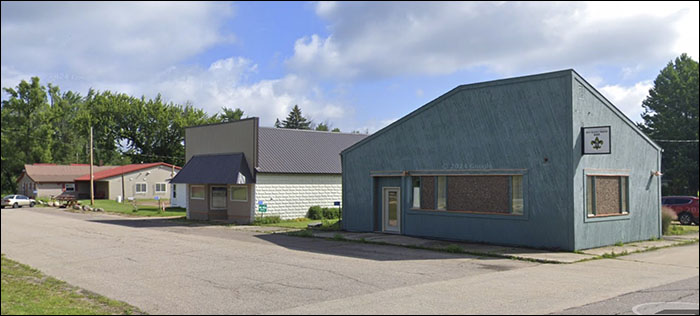
Eland (formerly Eland Junction) is a village in Shawano County, Wisconsin, in the United States. The population was 202 at the 2010 census. Eland was originally called Eland Junction, and under the latter name was platted by the railroad in 1888.[7] It was named after the eland, a type of African antelope.
The entirety of Eland’s downtown, today. Not much.
Excuse me but what
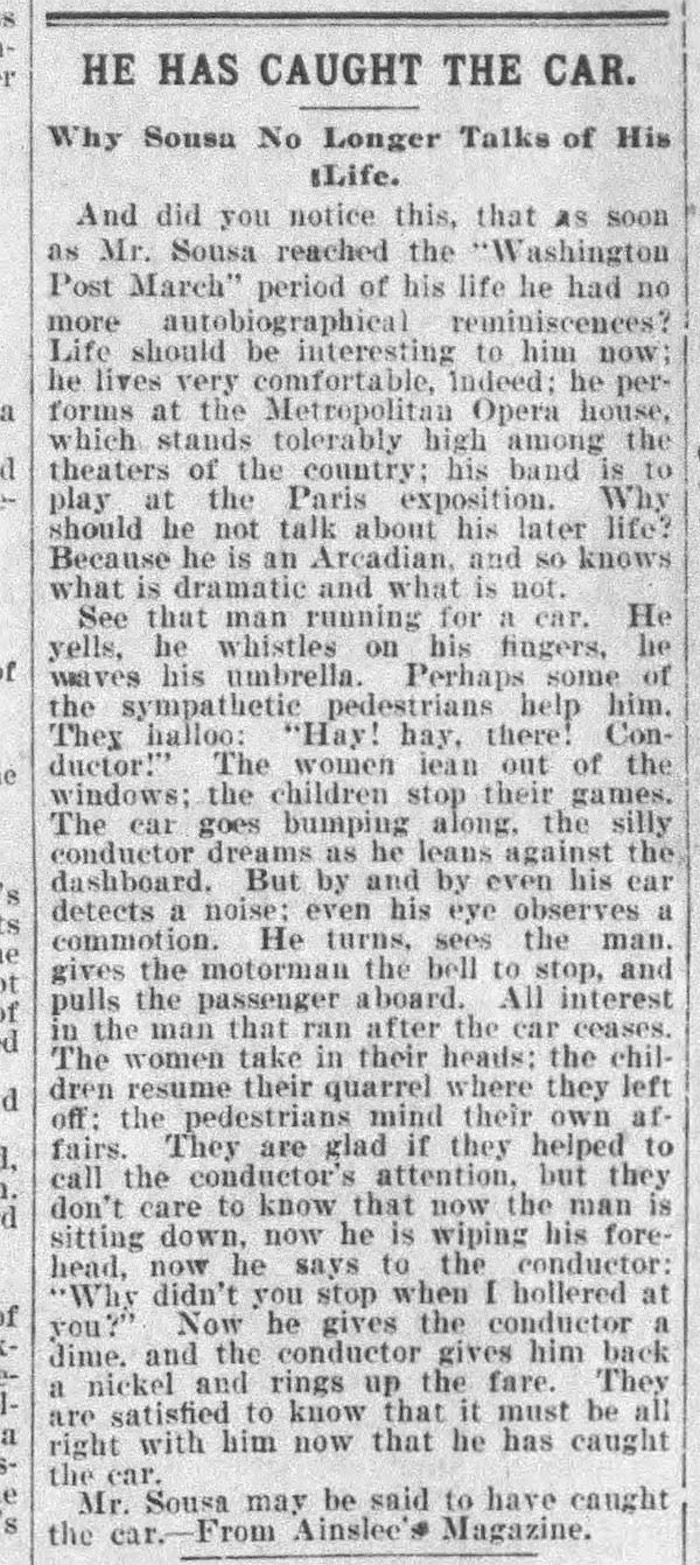
It's so close to making sense, but it eludes me every time I draw near.
So it’s not a modern development.

On the editorial page we learn who’s putting this sheet together:

Gertrude was the co-author of a book about the Kickapoo Valley. She notes that she wrote the book to combat the false narrative about the locals, who were regarded in anecdotes by outsiders as rogues, drunks, pickpockets, and highwaymen.
Could this be the origin of Al Capp’s Kickapoo Joy Juice?
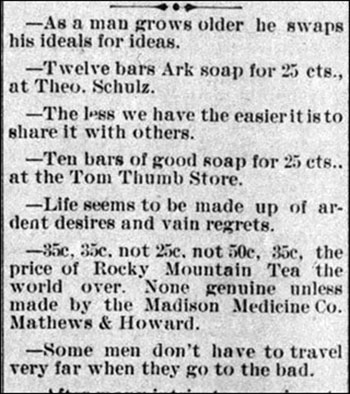 |
I think by now we are all accustomed to the absolute jumble of 1900s-era newspapers, right? It appears you can have Ark soap or good soap. |
|
"I don’t know if you’ve been taking notes but we just got our asses kicked"
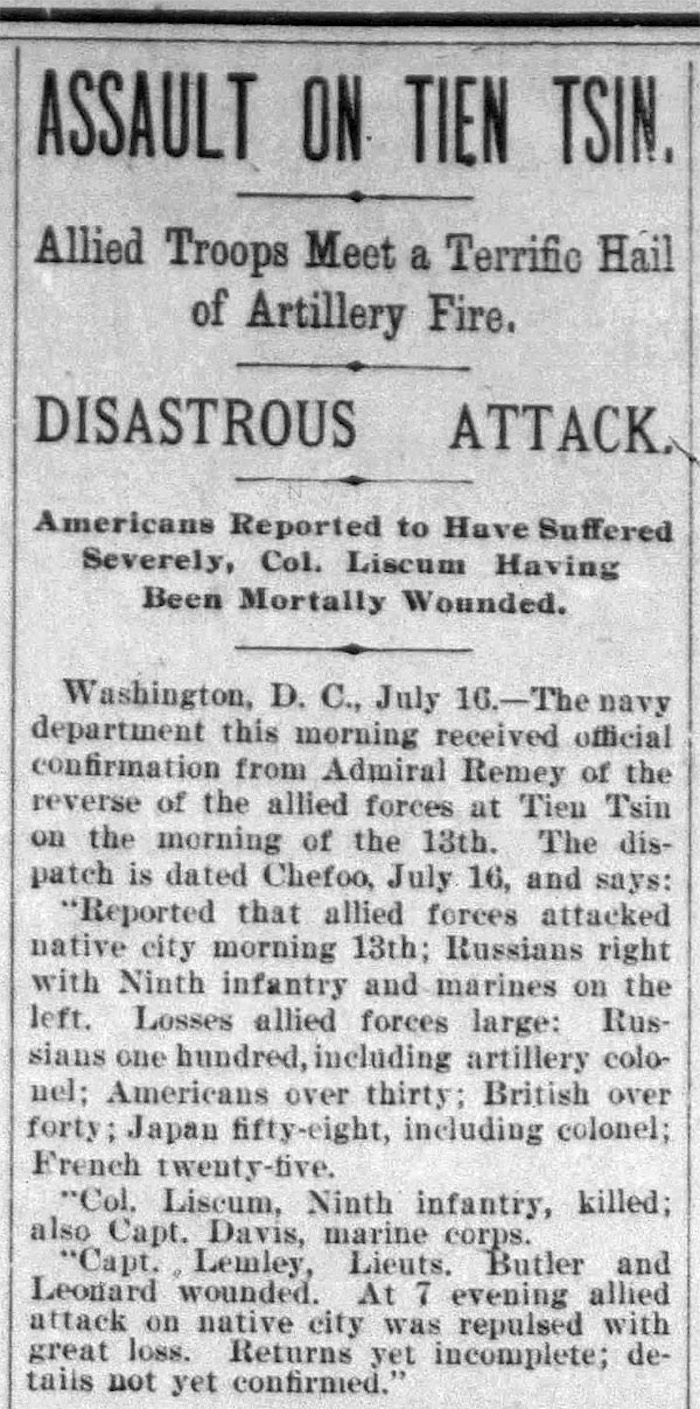
The Battle of Tientsin, or the Relief of Tientsin, occurred on 13–14 July 1900, during the Boxer Rebellion in Northern China. A multinational military force, representing the Eight-Nation Alliance, rescued a besieged population of foreign nationals in the city of Tianjin (Postal: Tientsin) by defeating the Chinese Imperial army and Boxers. The capture of Tianjin gave the Eight-Nation Alliance a base to launch a rescue mission for the foreign nationals besieged in the Legation Quarter of Beijing and to capture Beijing.
So it was a disaster, and a rout, but nevertheless victorious?
How’s the rest of the war going?
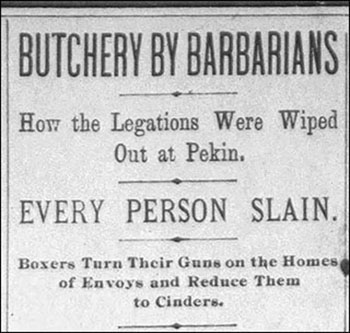 |
Never mind
|
|

That will do for today. More ice cream in the 50s section, and outtakes for subscribers at the Substack. Thanks for dropping by! See you around.